Blog Post

They do not arise during implementation.
They were already in the system beforehand.
They were just not seen.
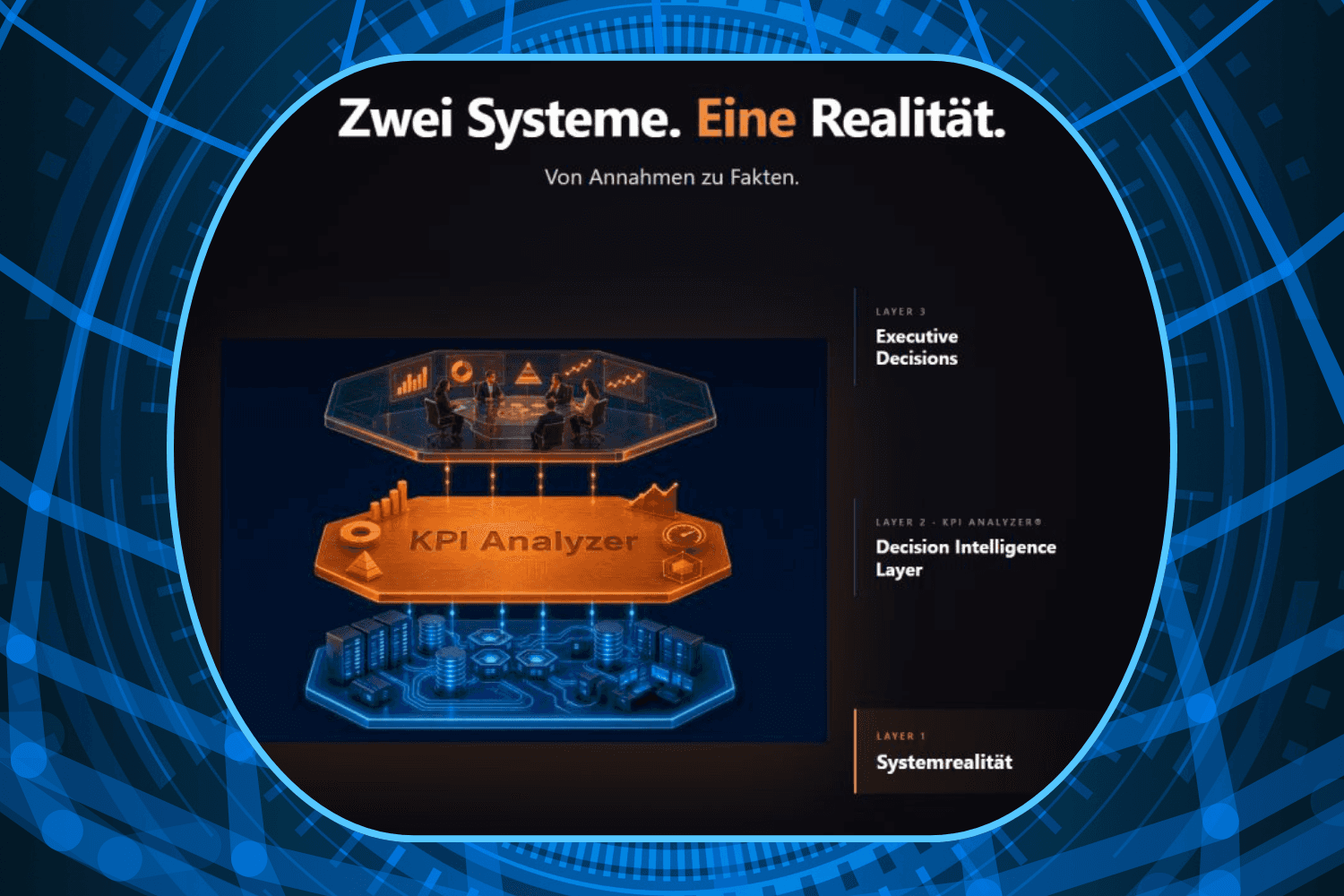
Within every SAP transformation, two systems exist
📋 The system that is on the slides.
💻 The system that is actually being used.
The first arises in workshops, concepts, and target architectures.
The second is revealed in:
• Programs
• Tables
• Custom developments
• Actual usage patterns
And it is precisely this second system that ultimately determines budget, scope, and go-live.
For project success, reality is what counts
Not the planned system.
But the lived one.
Because this is precisely where many causes arise for:
• Project delays
• Additional costs
• Scope discussions
• Unexpected complexity
The crucial questions often remain unanswered
🔍 Which programs are actually being used?
🔍 Which custom developments no longer serve any business purpose?
🔍 Where do the SAP standard and custom code cover the same requirement?
🔍 Where do assumptions and actual usage differ?
As long as these questions remain open, transformation is based on assumptions.
What we see in over 2,200 SAP systems
From more than 2,200 analyzed SAP systems, the same pattern emerges time and time again:
The actual system reality often deviates by 30 to 60 percent from the original assumptions.
And it is precisely this gap that is often underestimated.
Because it cannot be closed by:
❌ further workshops
❌ additional interviews
❌ more detailed project plans
Facts are needed between assumption and decision
The gap only closes when decisions are based on reliable data.
This requires an additional layer between system reality and management decisions.
A layer that makes visible:
• how the system is actually being used
• where the real complexity drivers lie
• which risks and potentials truly exist
Decision Intelligence for SAP Transformation
We call this exact layer the Decision Intelligence Layer.
It creates a shared factual basis for transformations.
Not based on assumptions.
But based on reality.
Clear vision instead of blind flight.
👉 If you would like to know how much your system reality deviates from current assumptions, please contact us. Often, the most important insights are already in the system – they just need to be made visible.